


How does a former imperial capital care for its past as everyday life changes? That question connects the experiences of Pitzer College students in Hue in late May and early June 2026. Together with the International School, Hue University (HUIS), they explored the city’s imperial heritage, learned a tradition through practice, and joined local students in caring for the Perfume River.
Reading the traces of an imperial capital
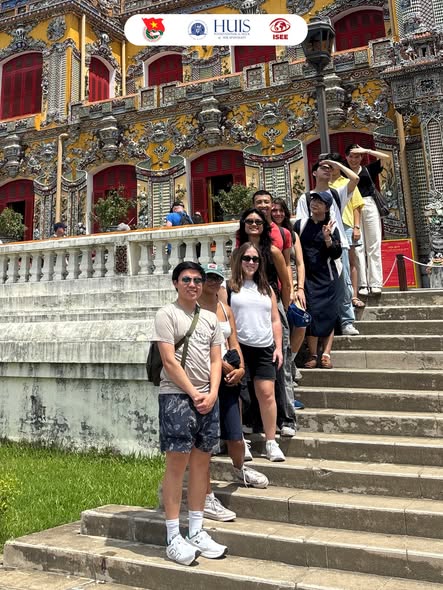
At the Imperial City, the Hue Museum of Royal Antiquities, and the Tomb of Emperor Khải Định, students could compare what buildings reveal about the court’s use of space with what museum objects suggest about life within it. Thiên Mụ Pagoda, traditional garden houses, and Thủy Xuân incense village extended that inquiry into the religious practices, domestic spaces, and crafts that still shape life in Hue.
Learning how a tradition is passed on
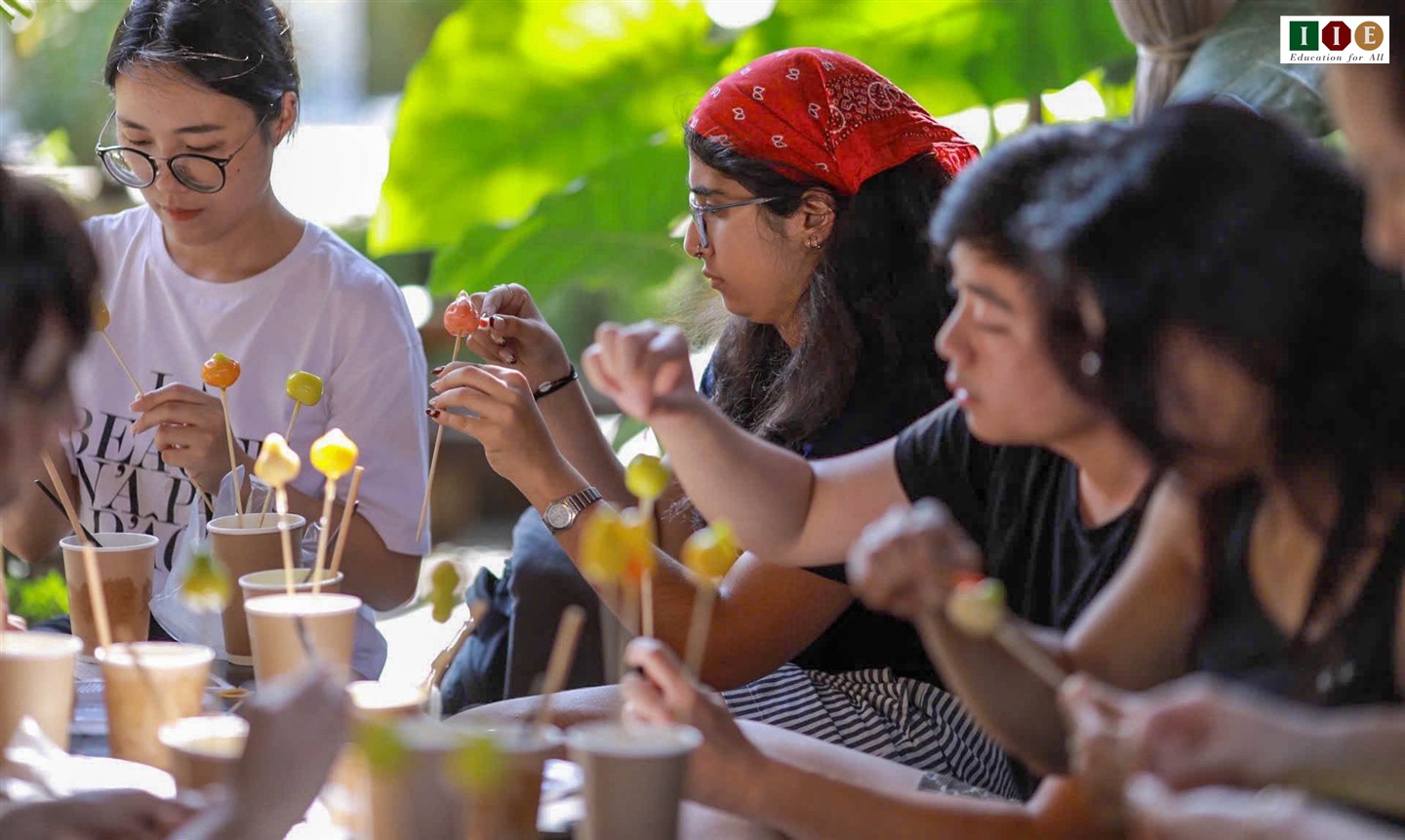
On June 4 at O Thy Homestay, Pitzer and HUIS students helped prepare bún bò Huế, bánh khoái, and mung bean cakes. As they cooked, they compared tastes and talked about familiar meals in their own countries. Preparing food together gave them a way to understand everyday practices they had observed during their visit.
Caring for the river that runs through Hue
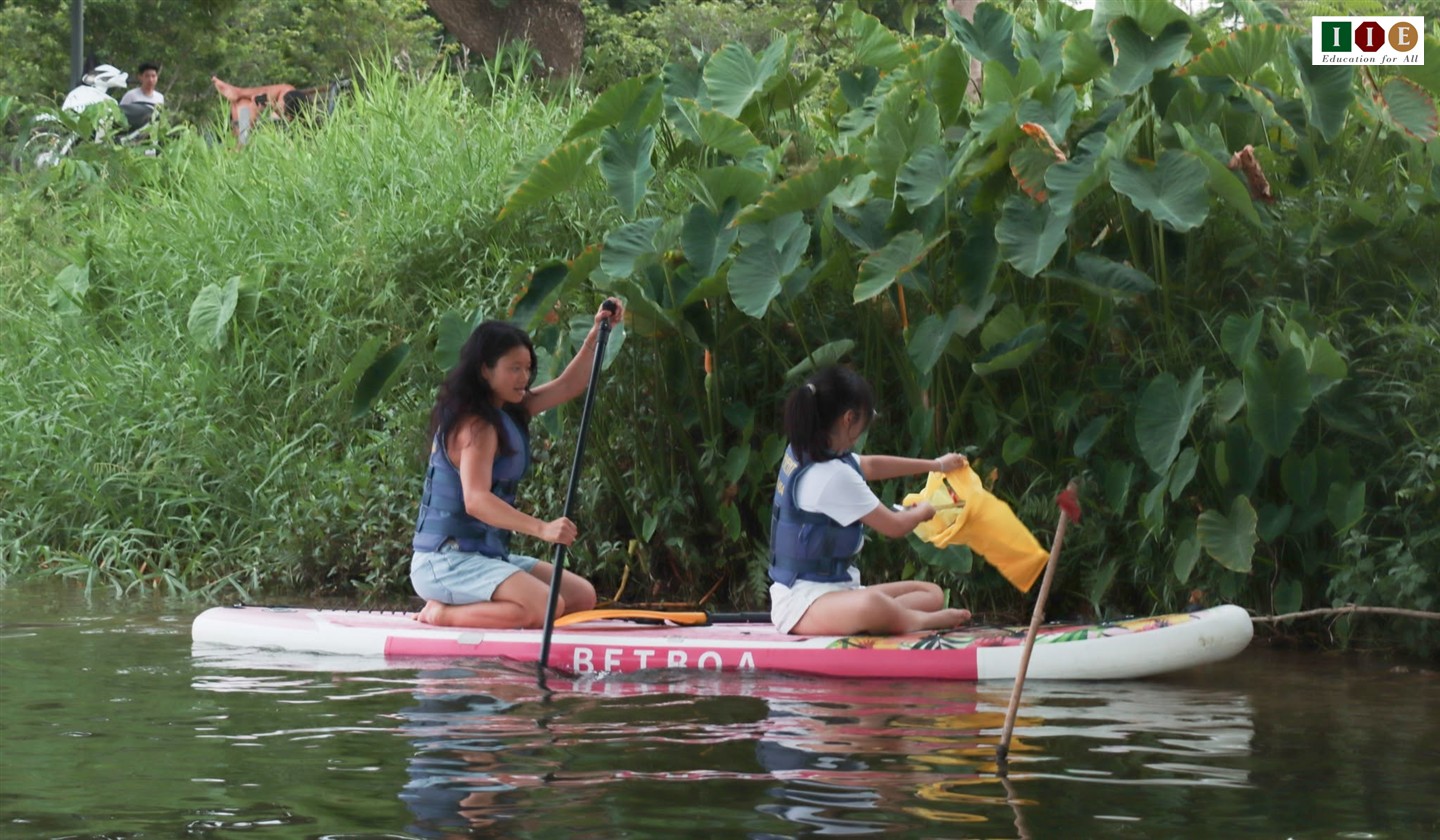
On May 28, students from both schools paddled on the Perfume River and worked together to collect floating litter. From the water they could see where litter accumulated along the banks and help remove it. The river they viewed from Vọng Cảnh Hill was also a shared space that residents use and care for.
The visits offer material for a discussion about heritage and urban life. Buildings and objects show what Hue preserves from its past. Cooking reveals how a practice is passed on in everyday life. The river cleanup raises a question about who cares for the places a city shares.
Information and original photos: International School, Hue University (HUIS).


 Tên: Phạm Thị Phương Dung
