


How does Vietnam build relationships with major powers? What can architecture and ceremony in Hue reveal about how political authority was organized in the past? For political science students from Utah Valley University (UVU), these questions shaped their May 2025 study tour in Vietnam.
IIE Vietnam designed the program for UVU faculty and students and helped the university work with local universities, research institutes, and other hosts. In Hanoi, Hue, and Ho Chi Minh City, students explored questions from their coursework with specialists and through field learning.
From classroom questions to Vietnamese case studies
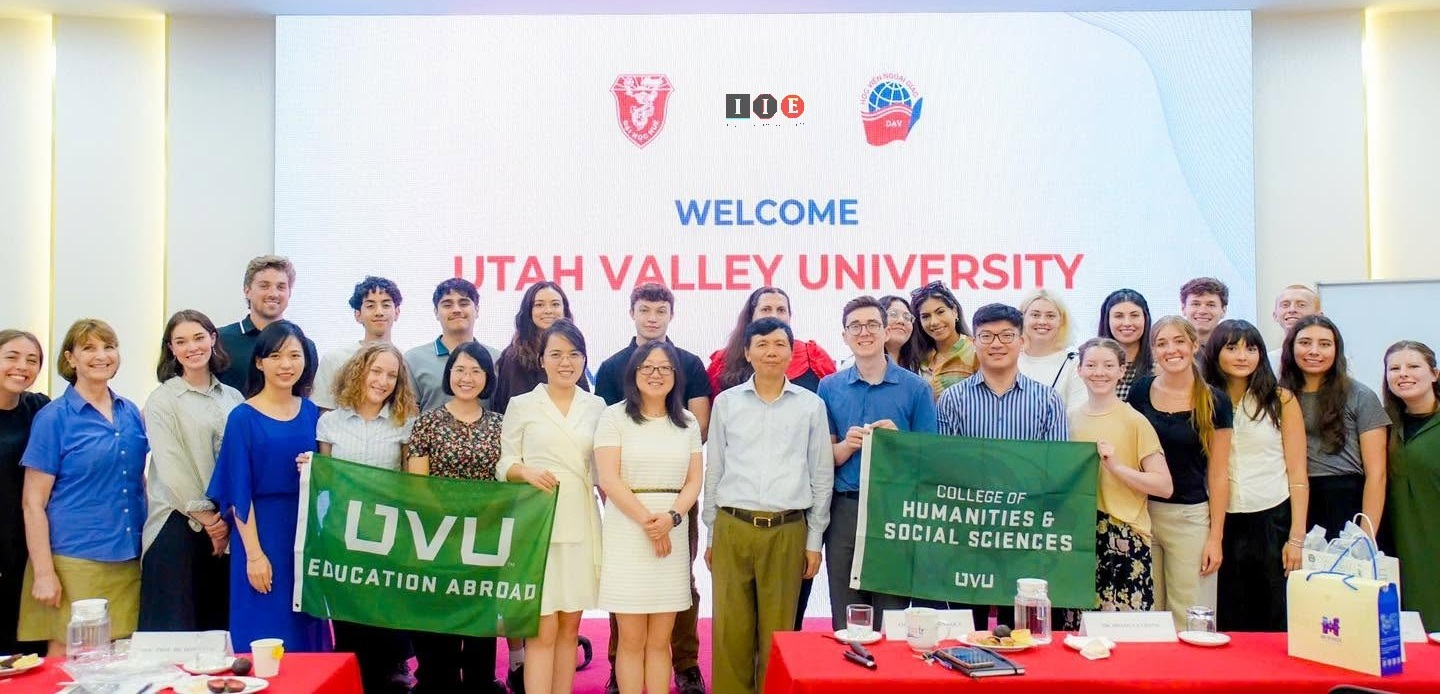
At the Diplomatic Academy of Vietnam, Ambassador Đặng Đình Quý placed Vietnam’s foreign policy in the context of changes since the Đổi Mới reforms. U.S.–Vietnam relations offered a concrete case for examining how a country broadens cooperation while pursuing its own priorities. In Hue, Associate Professor Trịnh Thị Định’s seminar on diplomatic history helped students compare contemporary policy choices with Vietnam’s experience in earlier periods.
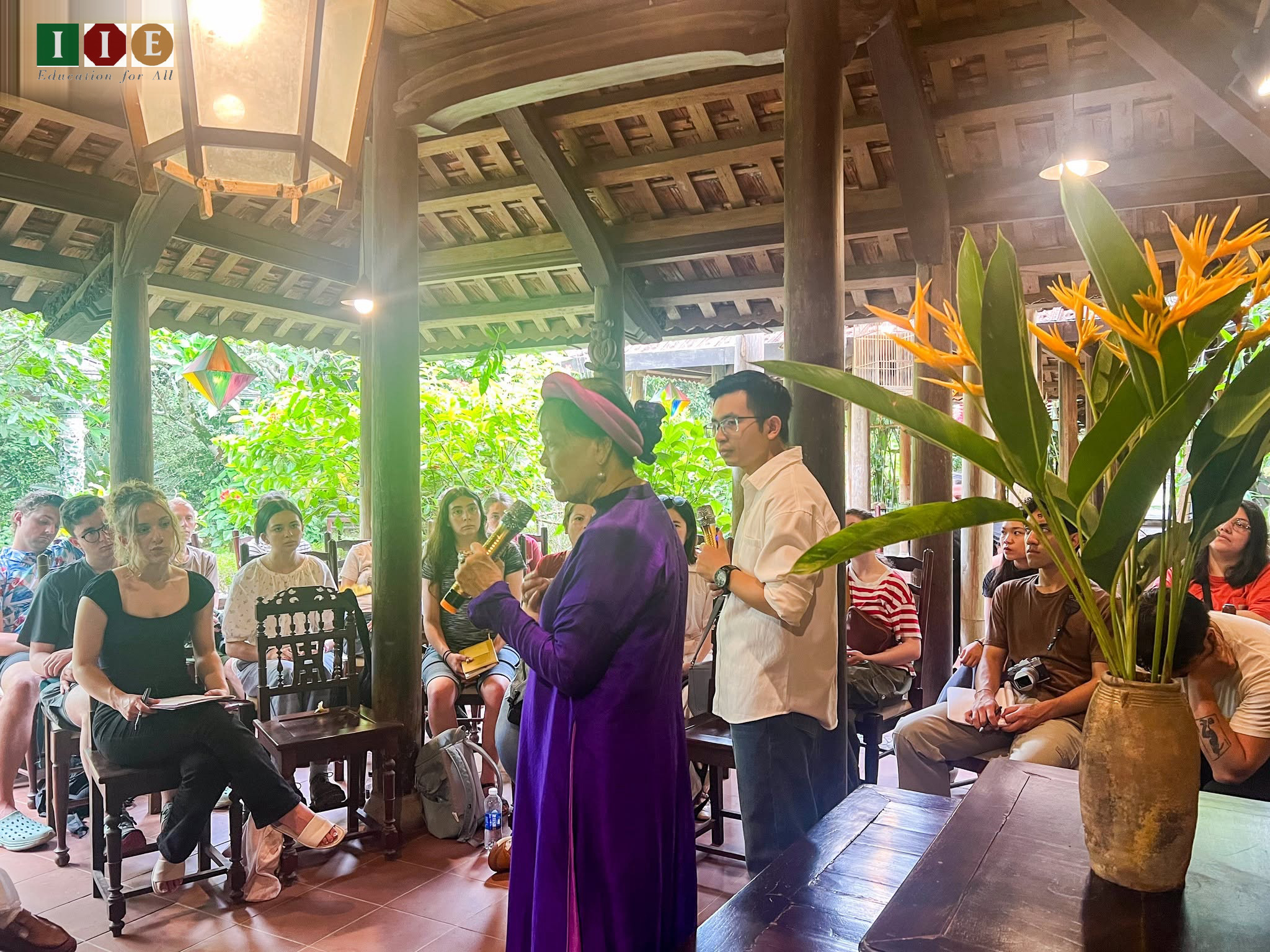
In Hue, Dr. Huỳnh Thị Anh Vân showed how court architecture and ceremony can help explain how the Nguyễn dynasty organized and expressed its authority. Dr. Nguyễn Ngọc Tùng’s lecture on French colonial influences added another historical layer. Together, the sessions invited students to ask which institutions and relationships shaped the buildings they encountered. At Lan Viên Cố Tích, a discussion of cultural diplomacy explored how heritage can contribute to a city’s international engagement today.
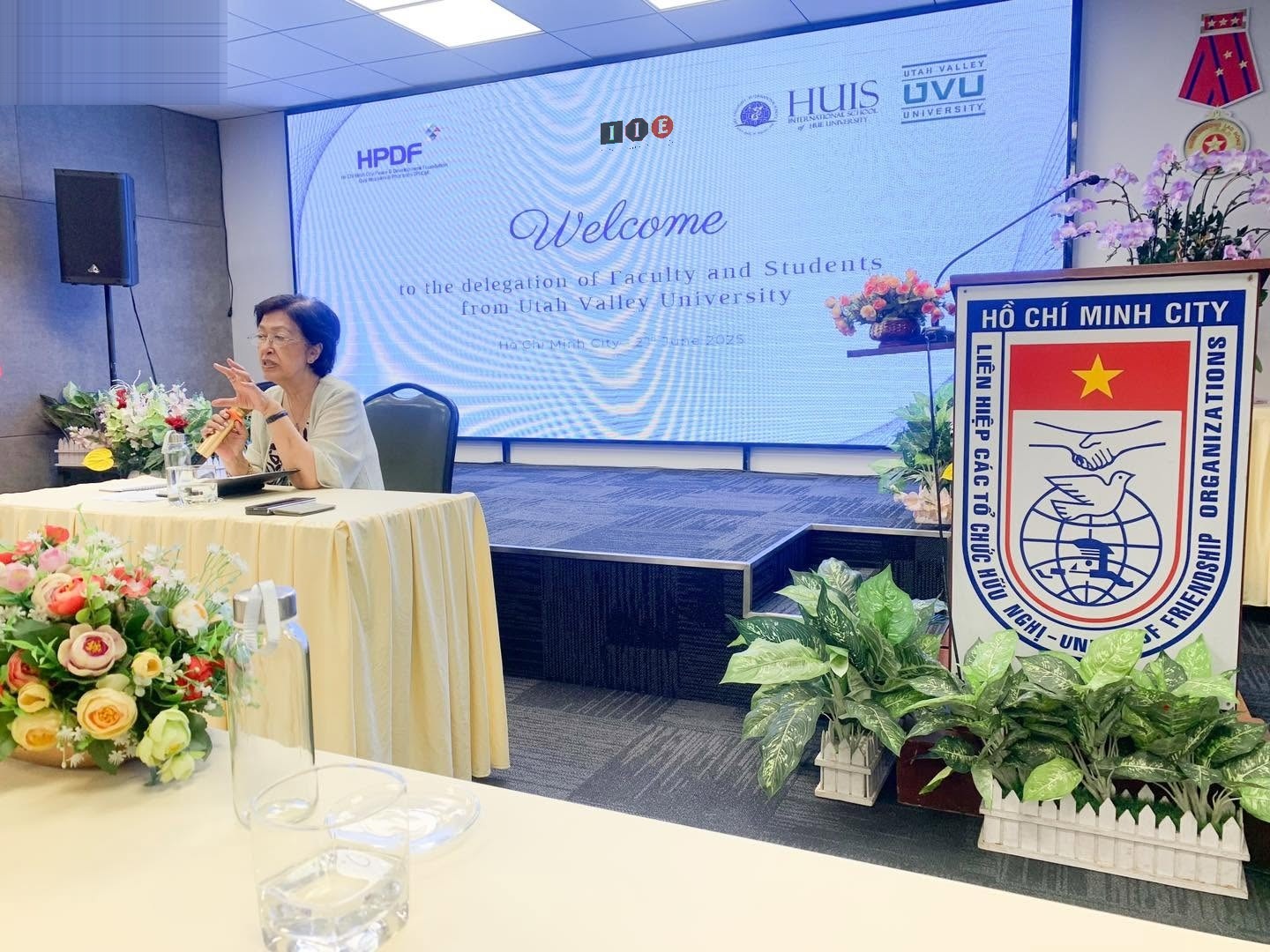
Phan Cảnh Huy used data and local examples to help students consider how economic reforms were implemented and what issues emerged in practice. In Ho Chi Minh City, diplomat Tôn Nữ Thị Ninh extended the discussion to how countries present themselves to international audiences and how history, culture, and society shape that story.
IIE built the program around the questions UVU students wanted to explore, then identified people and places that could help them examine those questions firsthand. A meeting could clarify the context behind a policy choice, a field visit could provide material for analysis, and a conversation could raise a question to take back to class.
Original photos: International School, Hue University (HUIS).


 Tên: Phạm Thị Phương Dung
